What to know about January 2025 SNAP changes
The changes to SNAP that took effect in January 2025 affect eligibility, benefit calculations, and some state administration rules. This article explains the most common updates, who may qualify now, and practical next steps.
Overview of the January 2025 SNAP changes
Federal policy and state implementation both shape SNAP. In January 2025, several trends appeared across states: adjustments to work rules, updated approaches to income counting, and new options for streamlined enrollment in some areas.

Because states run SNAP, specific rules and timelines vary. Check your state SNAP office for exact dates and amounts.
Key eligibility changes for SNAP in January 2025
Eligibility decisions are still based on household size, income, resources, and categorical rules. The January changes focused on three areas:
- Work requirements and ABAWD rules — Some states resumed or tightened time limits for Able-Bodied Adults Without Dependents (ABAWDs); others offered more job-training exemptions.
- Income counting and deductions — Several states clarified or changed when certain benefits, child support, or pandemic-era payments count as income, which can affect net income calculations.
- Categorical eligibility and BBCE — Some states adjusted broad-based categorical eligibility policies that let households qualify through other assistance programs.
Who qualifies now for SNAP after January 2025
Basic qualification still requires meeting three tests: household composition, gross and net income limits, and resource rules where applicable. Key points:
- Gross income is often compared to a percentage of the Federal Poverty Level (FPL); many states use the 130% FPL test for most households.
- Net income after allowable deductions determines benefit size; common deductions include a standard deduction, child care, medical expenses for elderly/disabled members, and shelter costs.
- Some households that previously qualified via categorical eligibility must now meet income or resource tests if their state changed BBCE rules.
New rules and benefit updates explained

Not all changes affect everyone. Here are the practical rule areas that changed for many applicants in January 2025.
Work and training requirements
Adults 18–49 without dependents continue to face time limits unless they meet exemptions. The January 2025 changes included state-specific reinstatement of time limits in some places and expanded waiver or exemption options in others.
What to do if you might be affected:
- Document any work hours, job search, or training program participation.
- Ask your local office about available job training that satisfies SNAP work rules.
Benefit calculation and adjustments

Benefit amounts can change when states revise how they count certain income or apply deductions. Some states introduced clearer treatment of stimulus-style payments or one-time aid so they do not reduce benefits unfairly.
Steps to check your benefit change:
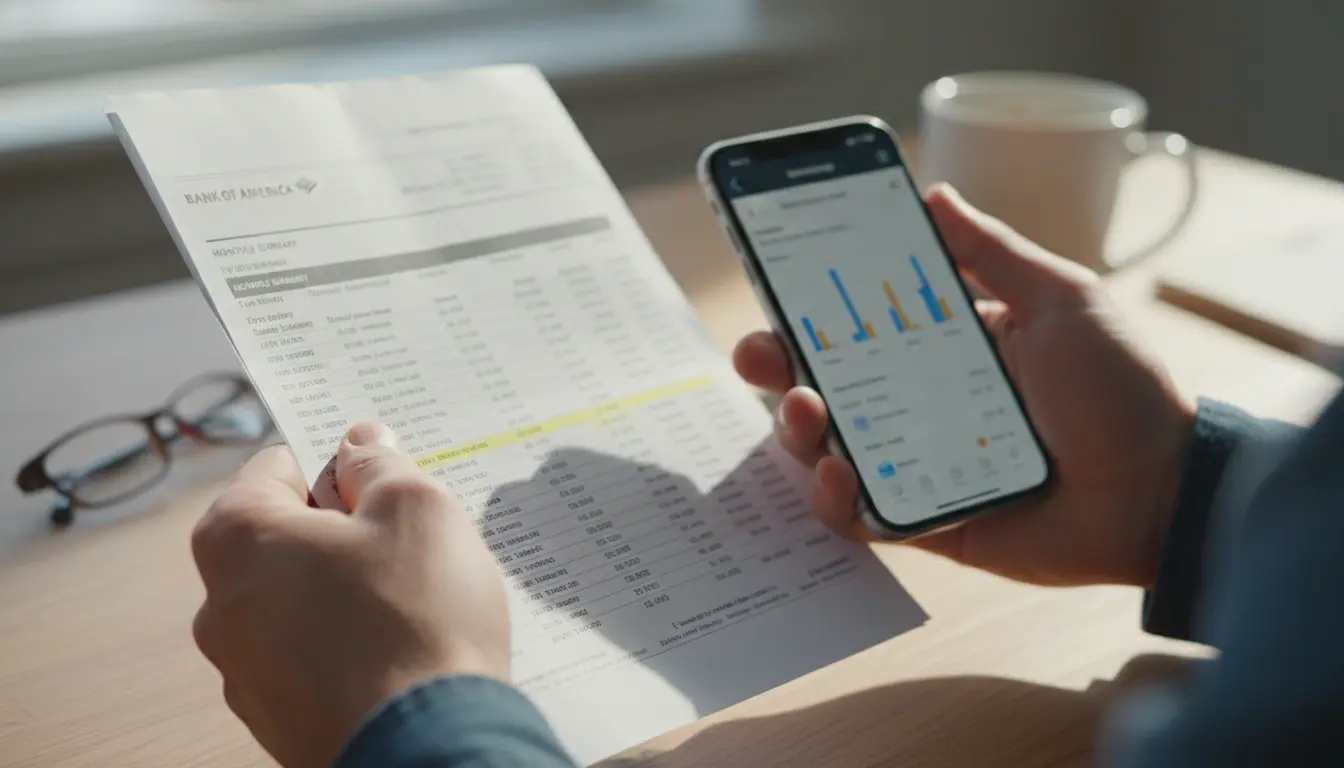
- Compare your last benefit letter to the new award notice.
- Request an explanation of what income or deductions changed your calculation.
Streamlined enrollment and technology updates
Several states expanded online application options, mobile EBT alerts, and simplified recertification for households with stable incomes. If your state participated, you may be able to upload documents by phone and get faster decisions.
How to apply, recertify, or appeal after January 2025
Applying or updating a SNAP case is still mostly done through your state agency. Follow these practical steps:
- Visit your state SNAP website or call the state SNAP hotline for forms and timelines.
- Use online pre-screeners to estimate eligibility before applying.
- Gather ID, proof of address, income, rent/mortgage costs, and utility bills where required.
- Submit recertification documents quickly if you receive an updated request letter.
- If denied or reduced, file an appeal within the time listed on your notice and ask for an expedited hearing if you need immediate food assistance.
Some states allow a simplified application for households with elderly or disabled members, which can shorten processing to a few days. Contact your state SNAP office to learn if you qualify.
Small real-world example: how the January 2025 changes can affect a household
Maria is a single parent in a midwestern state who applied for SNAP before January 2025. Her state clarified how part-time earnings are counted and allowed an extra child care deduction. After recertification in January, her net income dropped enough to increase her monthly allotment.
Practical takeaway: small changes in how your state treats deductions or counts income can change your benefit amount noticeably. Always ask for a breakdown of the calculation.
Common questions and quick answers
- Will everyone get different benefits in January 2025? No. Only households whose income, deductions, or state rules changed will see a different allotment.
- Can work requirements make someone lose benefits immediately? States must give notices and time for transition. If you face a time limit, ask about exemptions or job-training options.
- Where do I find my state rules? Use your state human services or social services website or call the state SNAP hotline listed on the USDA SNAP site.
Final steps and resources
If you think you qualify or your benefits changed in January 2025, act quickly. Check your state SNAP portal, collect supportive documents, and call your caseworker if you need clarification.
Keep records of all communications and save award notices. If you disagree with a decision, file an appeal and request an expedited hearing if your household faces immediate food hardship.
Staying informed about state-specific January 2025 SNAP changes will help you preserve or maximize benefits. Reach out to local legal aid or community food assistance groups if you need help applying or appealing.