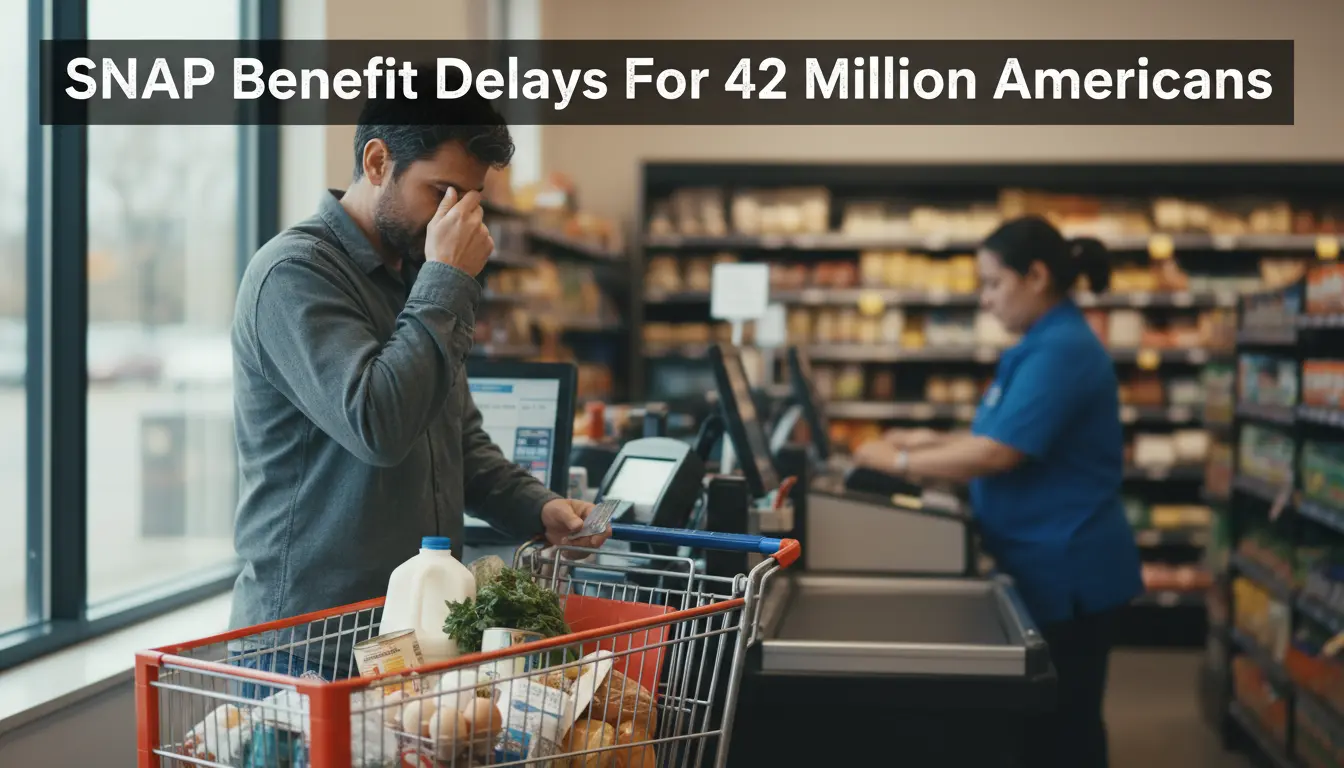
What SNAP benefit delays mean for 42 million Americans
Federal funding uncertainty could delay monthly SNAP payments for as many as 42 million people. Many households rely on Electronic Benefit Transfer (EBT) for food purchases, so even short interruptions can create hardship.
This article explains why delays can happen, how payments are set, and practical steps recipients can take now to reduce risk.
Why SNAP benefit delays may occur amid a funding standoff

SNAP is federally funded but distributed by state agencies. When Congress has not approved full-year funding or a stopgap measure, agencies may temporarily lack authority or cash flow to issue benefits on schedule.
State agencies usually plan around federal disbursement schedules. A funding standoff at the federal level can trigger administrative slowdowns, delayed reimbursements, and uncertainty about emergency allotments.
How SNAP payments are scheduled
Most states issue benefits on a monthly schedule tied to case numbers or birth dates. The U.S. Department of Agriculture (USDA) provides guidance and funding, but states must process and release payments.

If federal funds are delayed, states can sometimes use short-term reserves, shifting schedules, or one-time actions to maintain payments. Those options vary by state and are not guaranteed.
What recipients need to know now about SNAP benefit delays
Being prepared can reduce stress if payments are late. Start by checking your current balance and verifying contact details with your state SNAP office.
Take these practical steps immediately:
- Check your EBT balance online or by phone at least twice a week.
- Confirm your address and phone number with your state SNAP office to ensure notices arrive.
- Sign up for text or email alerts if your state offers EBT notifications.
- Create a short emergency grocery plan: prioritize low-cost, nonperishable items you can buy in small quantities.
Documents and information to have ready
- State issued case number or client ID
- Recent EBT card statements or screenshots
- Contact details for your caseworker or local county office

SNAP is federally funded but administered by states. Some states keep limited reserves that can cover benefits for a short time if federal funding is delayed.
How to confirm your SNAP payment status
If you are worried about a delay, check official channels first. Your state SNAP office is responsible for posting notices and answering questions.
- Visit your state SNAP website or your state’s EBT portal to view payment calendars and alerts.
- Call the number on the back of your EBT card for balance and transaction history.
- Contact your caseworker or county human services office for case-specific updates.
Options if your SNAP benefits are delayed
When benefits are late, several short-term resources can help households bridge the gap. Use local supports first and apply quickly where required.
- Food banks and pantries. Many are open to anyone in need. Search Feeding America or local food bank directories.
- Emergency SNAP or state-run crisis programs. Some states offer short-term emergency allotments—ask your caseworker.
- School meal programs. Children may be eligible for free breakfast and lunch during school days.
- WIC for qualifying pregnant or breastfeeding women and young children. WIC is separate from SNAP and may provide formula and groceries.
- Community programs and faith-based organizations often provide meal sites or grocery assistance.
Short-term budgeting tips while waiting
- Buy staple items with the longest shelf life and highest nutrition per dollar—beans, rice, oats, canned vegetables, peanut butter.
- Avoid large nonessential purchases until benefits are confirmed.
- Split larger purchases with trusted friends or family if possible, then repay when benefits arrive.
Real-world example: One household’s experience
Maria, a single mother in Ohio, received an alert that federal funding talks could delay SNAP payments. She checked her EBT balance and contacted her county office to confirm her info was current.
When her payment was delayed by two weeks, she used a local food pantry for staples and enrolled her children in free school meals. Her county later issued an emergency allotment that covered the shortage. Taking quick steps made the delay manageable for her family.
Resources and contacts for SNAP recipients
When seeking help, use official resources and local supports. Start with your state SNAP office, then expand to community providers if needed.
- State SNAP or human services website—search your state name plus SNAP or EBT.
- Call the EBT customer service number on the back of your card for balance and transaction details.
- Contact local food banks, 211 helplines, and school districts for immediate supports.
Final steps to stay prepared
Monitor official announcements and keep your contact information updated with your state office. Small actions now—checking balances, saving essential documents, and knowing local supports—can reduce disruption if SNAP payments are delayed.
If you need assistance, reach out to your local SNAP office or community organizations early. Quick preparation makes short-term funding problems easier to manage.