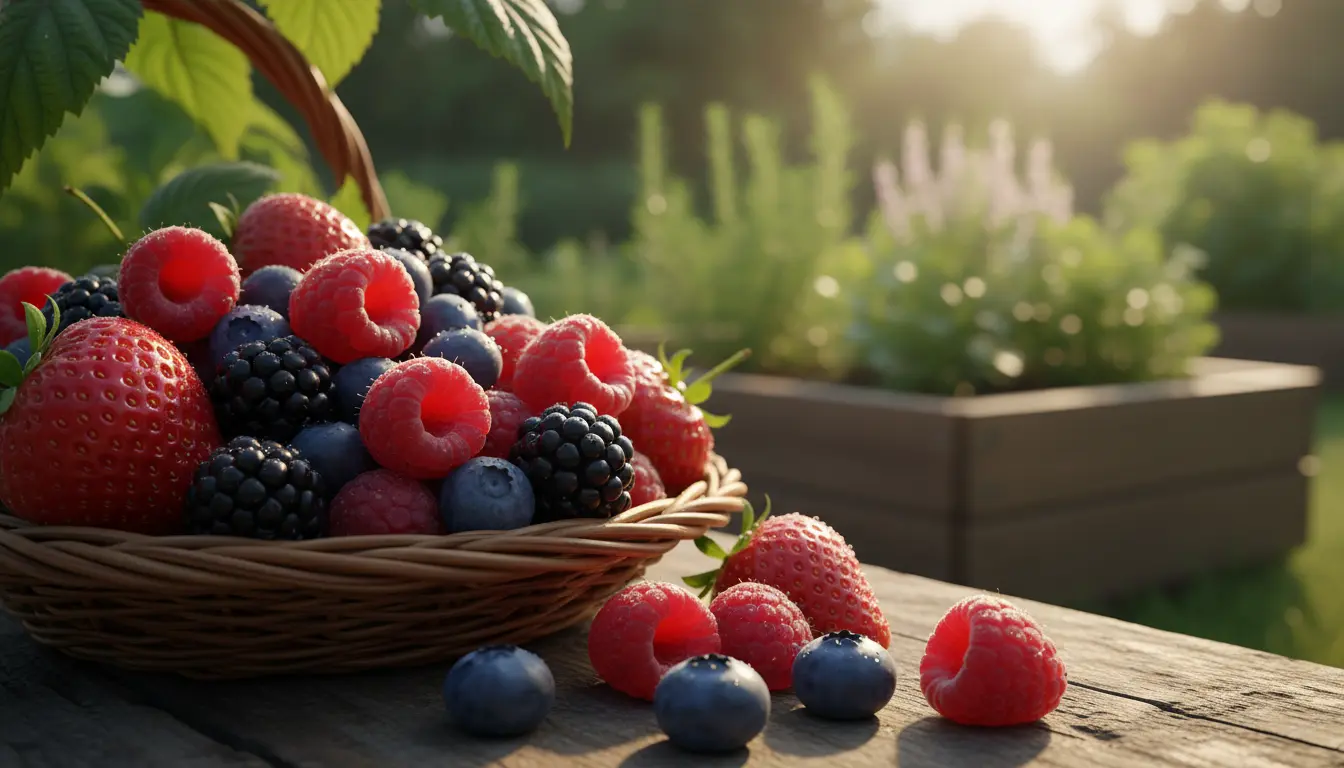
Growing berries at home can supply fresh fruit for the table nearly every month if you plan for variety, timing, and storage. This guide explains practical steps for planting, staggering harvests, and extending the season in small home patches.
How to Harvest Fresh Berries Year-Round from Home Patches: Key Strategies
To harvest fresh berries year-round, focus on variety selection, staggered plantings, and season-extension techniques. Combine short-season annuals with perennial shrubs and controlled environments.
Choose the Right Varieties for Year-Round Harvest

Select a mix of berry types that ripen at different times. Include early, mid, and late season varieties to spread harvests across months.
- Strawberries: June-bearing, everbearing, and day-neutral types.
- Raspberries: Summer-bearing (early and late varieties) and everbearing (fall) types.
- Blackberries: Thornless primocane varieties fruit on first-year canes.
- Blueberries: Early, mid, and late cultivars for a longer season.
- Currants and gooseberries: Early-season fruit to bridge gaps.
Plan Planting and Staggered Dates
Plant multiple varieties with different maturity dates. For annuals like strawberries, use staggered planting dates or different cultivars to extend peaks.
Example planting plan:
- Spring: Early strawberries and early blueberries.
- Summer: Summer raspberries, blackberries.
- Fall: Everbearing strawberries and fall raspberries.
- Winter: Protected tunnels for winter harvesting of hardy varieties.
Soil, Site, and Maintenance for Continuous Production

Healthy plants produce more fruit and resist disease. Prepare well-drained soil, maintain pH for each species, and mulch to conserve moisture and prevent weeds.
Soil Tips
- Blueberries need acidic soil (pH 4.5–5.5). Amend with peat or sulfur if necessary.
- Strawberries, raspberries, and blackberries prefer pH 5.5–6.5 and fertile, well-drained soil.
- Work in compost annually and use a balanced fertilizer based on soil test results.
Pest and Disease Management
Rotate annual berry beds, remove old canes after fruiting, and prune to improve air circulation. Use row covers early in the season to protect blossoms from late frosts and to reduce bird damage.
Season Extension Techniques for Year-Round Harvest
Season extension is the core technique to harvest fresh berries year-round from home patches. Use physical protection, microclimates, and containers to push the harvest window.
Simple Season Extension Methods
- High tunnels or cold frames: Provide frost protection and warmth to allow early spring or late fall fruiting.
- Row covers and frost cloths: Lightweight covers protect blossoms from brief cold snaps.
- Mulch and windbreaks: Reduce temperature swings and protect roots in winter.
- Containers and moveable trays: Bring container-grown berries inside or under cover during cold spells.
Greenhouse and Polytunnel Use

A small unheated greenhouse or polytunnel can extend harvest by several weeks in spring and autumn. With minimal heating or passive solar techniques, you can push production through colder months.
Harvesting, Storage and Preservation
Proper harvesting and storage allow you to enjoy berries outside the fresh harvest window. Harvest when fruit is fully ripe for best flavor and handle gently to avoid bruising.
Storage Options
- Refrigeration: Most berries keep 3–10 days in the fridge if dry and stored in a single layer or vented container.
- Freezing: Quick-freeze on trays then store in bags; maintains quality for months.
- Canning and jam: Preserves flavor and yields a supply through winter.
- Dehydration: Dried berries are portable and long-lasting.
Practical Calendar for Year-Round Fresh Berries
Create a month-by-month checklist to manage bloom, fruiting, and protection. Checklists help ensure you’re ready with covers, pruning, and harvest schedules.
- January–February: Prune raspberries and blackberries; order replacement plants.
- March–April: Install row covers for early strawberries and protect blossoms from frost.
- May–July: Peak strawberry and blueberry season; monitor for pests and water deeply.
- August–October: Harvest summer raspberries and blackberries; plant fall strawberries.
- November–December: Mulch deeply and protect pots for winter harvesting where climates allow.
Case Study: A Small Suburban Patch That Extended Its Season
Jane in Portland converted a 12 x 6 foot raised bed into a mixed berry patch. She planted early and late strawberries, one early and one late blueberry, thornless primocane blackberries, and everbearing raspberries.
By adding a small hoop tunnel with frost cloth and staggered plantings, Jane harvested fresh berries from May through November in year one. With a small unheated cold frame and two weeks of passive heat in late winter, she collected usable fruit in early April. Total fresh harvest was about 40 pounds the first year, with preserved jam and frozen berries extending her supply to year-round consumption.
Summary: Practical Steps to Success
- Mix varieties to stagger ripening dates.
- Use season-extension tools: row covers, cold frames, and tunnels.
- Maintain soil health and manage pests proactively.
- Preserve surplus by freezing, canning, or drying to enjoy berries year-round.
With planning, the right varieties, and a few protective structures you can reliably harvest fresh berries for much of the year from small home patches. Start small, observe your microclimate, and expand techniques that work best for your location.