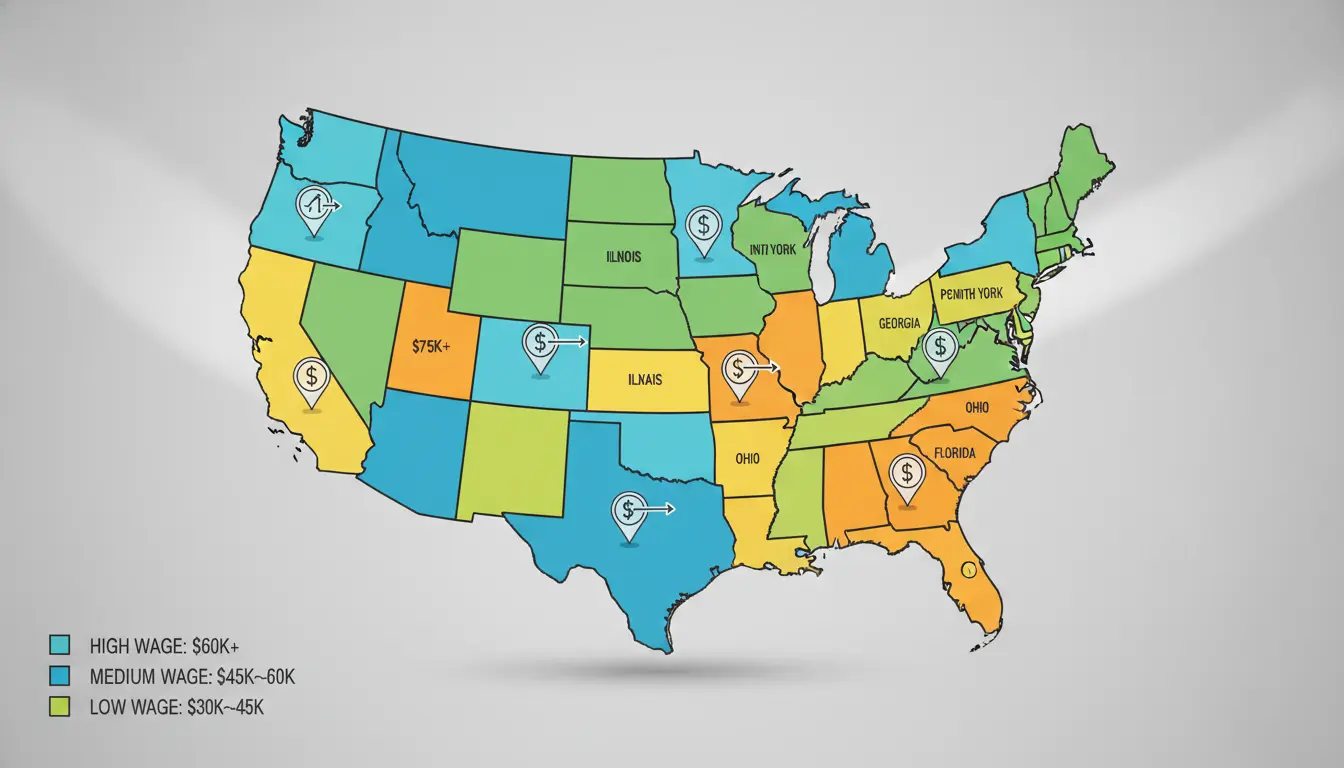
The landscape for minimum wage in the United States changes frequently at the state and local level. This guide explains how to read USA minimum wage updates, where to find the new hourly rates, and how to create a usable state-by-state breakdown for payroll and compliance.
How to read USA Minimum Wage Updates
Updates can come from federal, state, and local governments. The federal minimum wage sets a baseline, but many states and cities set higher rates and may schedule future increases.

When you see a headline about new rates, check the effective date and whether the change is statewide or localized to cities or counties.
Key items to check in any minimum wage update
- Effective date of the new rate
- Whether the rate applies statewide or only to certain localities
- Exceptions (tipped employees, youth, trainees)
- Adjustments for inflation or automatic annual changes
- Recordkeeping and posting requirements for employers
Where to find new hourly rates
Always verify rates on official sources. Start with the U.S. Department of Labor for federal information, then use state labor department websites for state rules.
Other reliable sources include city government sites, state statutes, and official press releases. Avoid relying solely on news summaries for compliance decisions.
Quick checklist for confirming a rate
- Find the state labor department page and the specific statute or administrative bulletin.
- Confirm the effective date and any phase-in schedule.
- Check for local ordinances that may set higher rates than the state.
- Note exclusions or different rates for tipped or youth employees.
State-by-state breakdown approach

Creating a state-by-state breakdown helps employers and employees compare rates and understand obligations. Use a consistent format so you can update it quickly when new ordinances or laws pass.
Recommended fields for each state entry
- State name
- Current statewide minimum hourly rate
- Effective date of that rate
- Scheduled increases or indexing provisions
- Local higher-rate jurisdictions (cities/counties)
- Tipped or specialty rates
- Primary source link (state labor page or statute)
Example format (one-line):
California — $15.50 — Effective Jan 1, 2023 — Cities: higher in some municipalities — Tipped: No state tip credit — Source: CA Dept. of Industrial Relations.
Practical tips for employers during rate changes
- Update payroll systems on or before the effective date to avoid underpayment.
- Notify employees in writing of the new hourly rates and any changes to pay schedules.
- Recalculate overtime and salaried conversions if applicable.
- Review job classifications to ensure no one is misclassified to avoid minimum wage violations.
Small real-world example: Adjusting payroll after a rate increase
A small café employs 8 workers and pays several at the minimum wage. The local council raised the minimum for the city from $11.00 to $12.50 effective April 1.
Steps the café owner took:
- Confirmed the ordinance and effective date on the city website.
- Updated payroll software with the new hourly rate before the first pay period containing April 1.
- Recalculated projected monthly labor costs and adjusted staffing schedules to maintain margins without cutting hours.
- Posted the new wage notice in the workplace and sent an email to all staff explaining the change.
This simple process helped the business remain compliant while communicating clearly with employees.
How to keep your state-by-state breakdown current
Build a maintenance routine to review rates quarterly or immediately after major legislative sessions. Subscribe to state labor department alerts and use a single spreadsheet or CMS page for your compiled list.
Automate checks where possible. Some services and APIs track wage changes and can push updates into spreadsheets for faster revision.
Sources and tools to monitor
- U.S. Department of Labor (dol.gov)
- State labor department websites
- City or county clerk websites for local ordinances
- Professional payroll providers and labor law newsletters
Final checklist before you act on new hourly rates
- Confirm the official source and effective date.
- Update payroll systems and calculate retroactive pay if required.
- Communicate changes to employees and document postings.
- Review related labor rules (overtime, tipped wages, exempt classifications).
Following these steps will help you respond quickly to USA minimum wage updates and maintain a reliable state-by-state breakdown for compliance and planning.